Anatomy Lesson: Elspeth’s Extremity!

Dear students, before starting today’s lesson, I apologize for the poor quality of a few photos.  During the first several seasons, Starz allow screen shots but this was stopped a while back. If I cannot find a needed image online, I take a photo of my TV screen. The results are often iffy. 🙄

That said, on with the lesson!

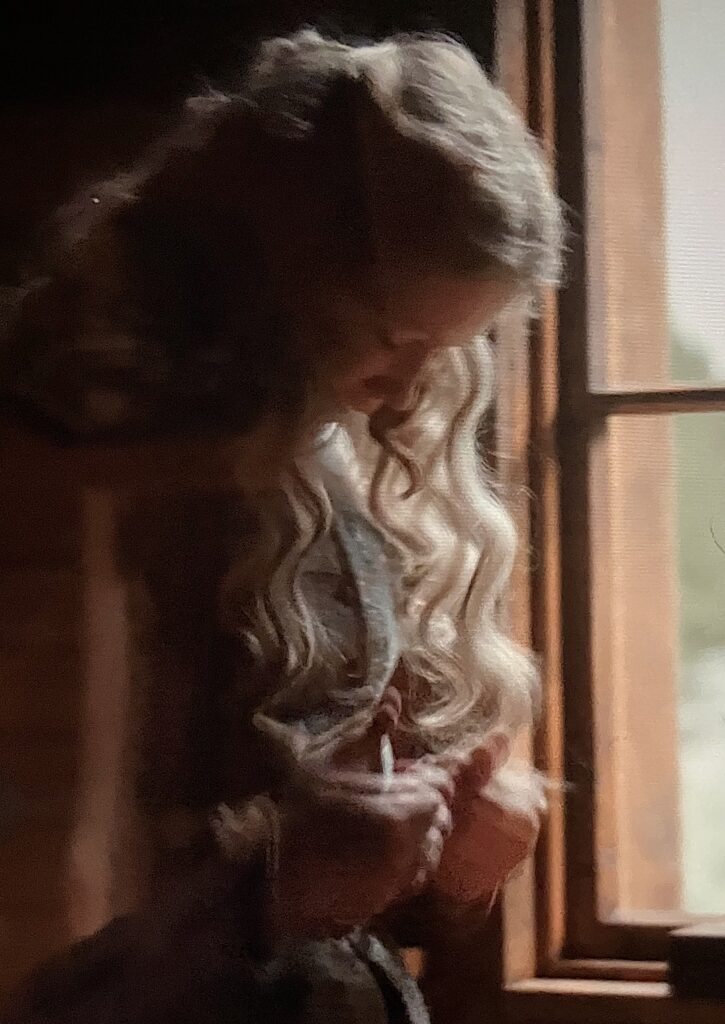
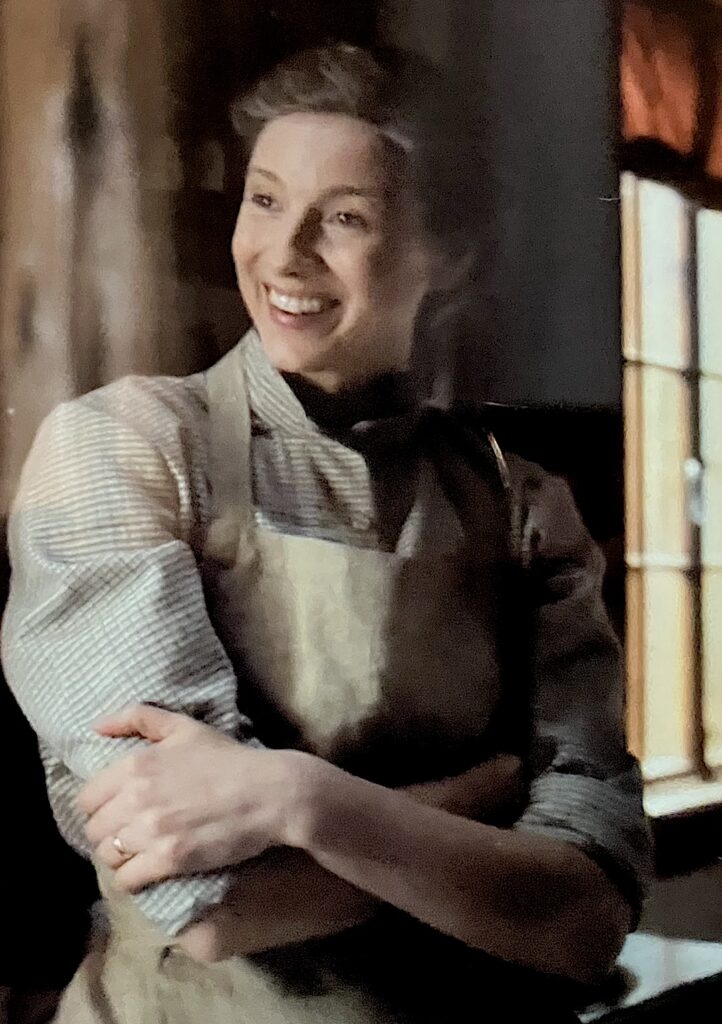
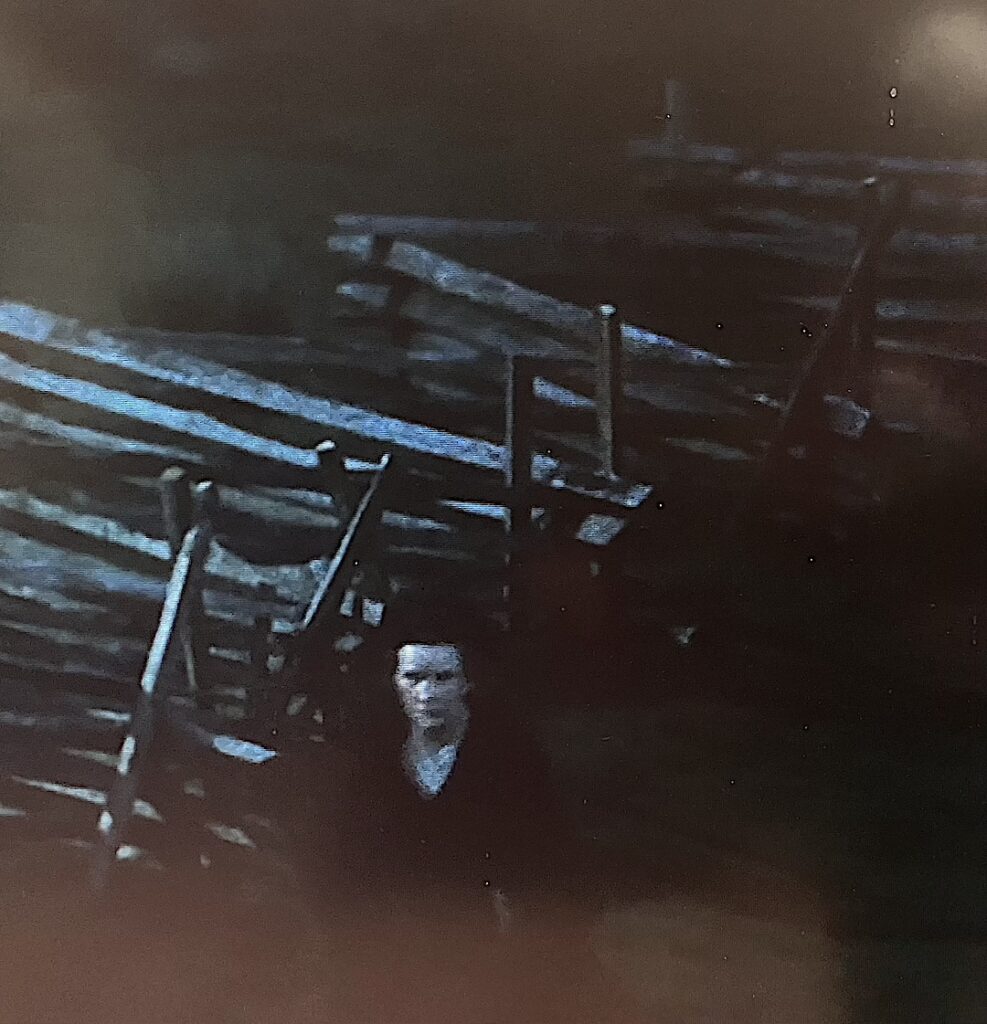
In Outlander episode 804, Muskets, Liberty and Sauerkraut, a strong wind announces an impending storm up so Claire closes a window and spies….

Guess who? None other than Elspeth Cunningham, aka, “wicked witch of the west” heading up the lane! 😜

Or, as Herself writes in “Go Tell the Bees that I am Gone” (Chapter 63, “The Third Floor”):

“As I leaned out with the shutter hook in my hand, though, I saw a tall black figure hastening toward the house, skirts and cloak flying in the wind.

“You and your little dog, too,” I murmured, and risked a glance at the forest, in case of flying monkeys.” 🐒
Mrs. Cunningham bursts through the door and lurches into Claire’s arms’ “I need your help.”
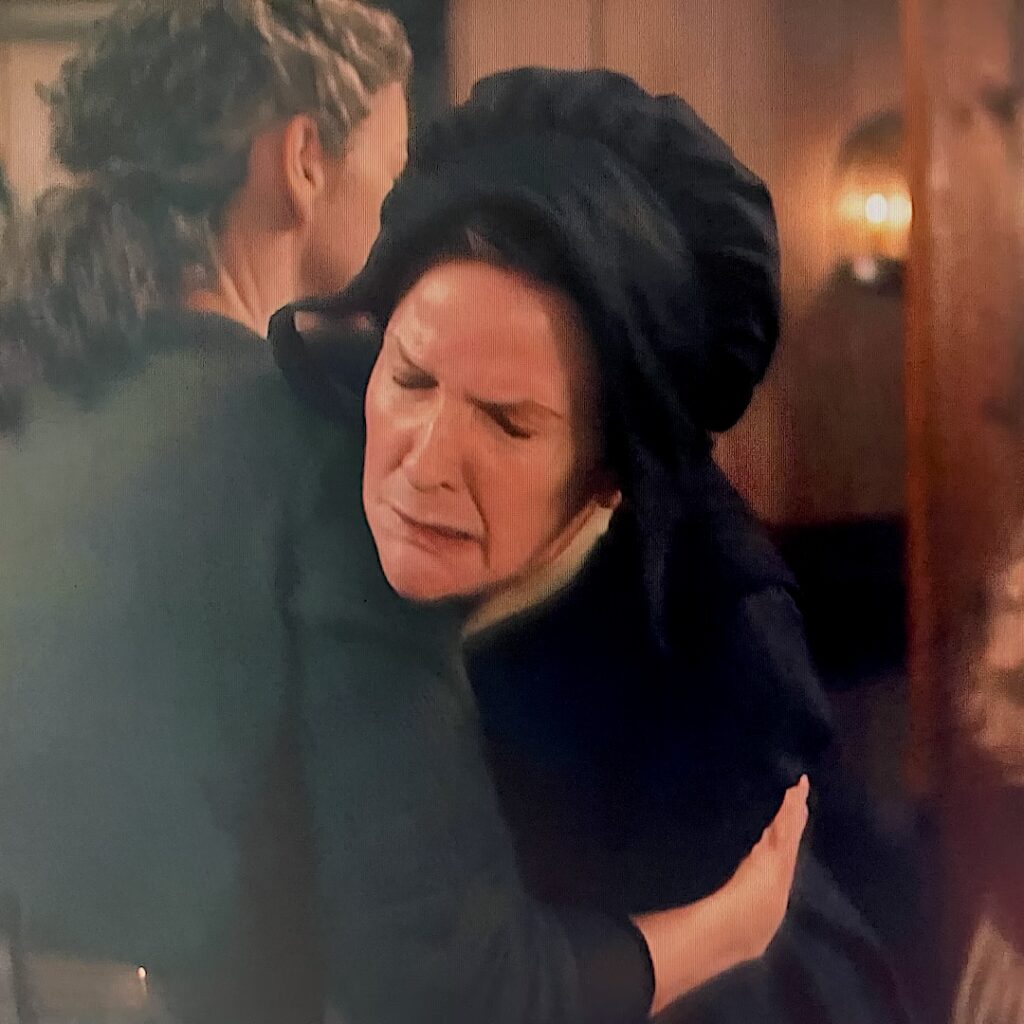
Yep! Elspeth does need Claire’s help! She fell against a settle and hurt her arm. (Pssst… A settle, if you don’t know, is a hardwood bench with arms and a high back) 😉

Wow! Claire knows what is wrong and claims she can fix it even before she examines the shoulder! 😳

This is pretty darn amazing, btw,  because most physicians examine the injury first before stating they can fix whatever ails the patient. But, as Jamie says, “Claire, ye are a brilliant healer!”
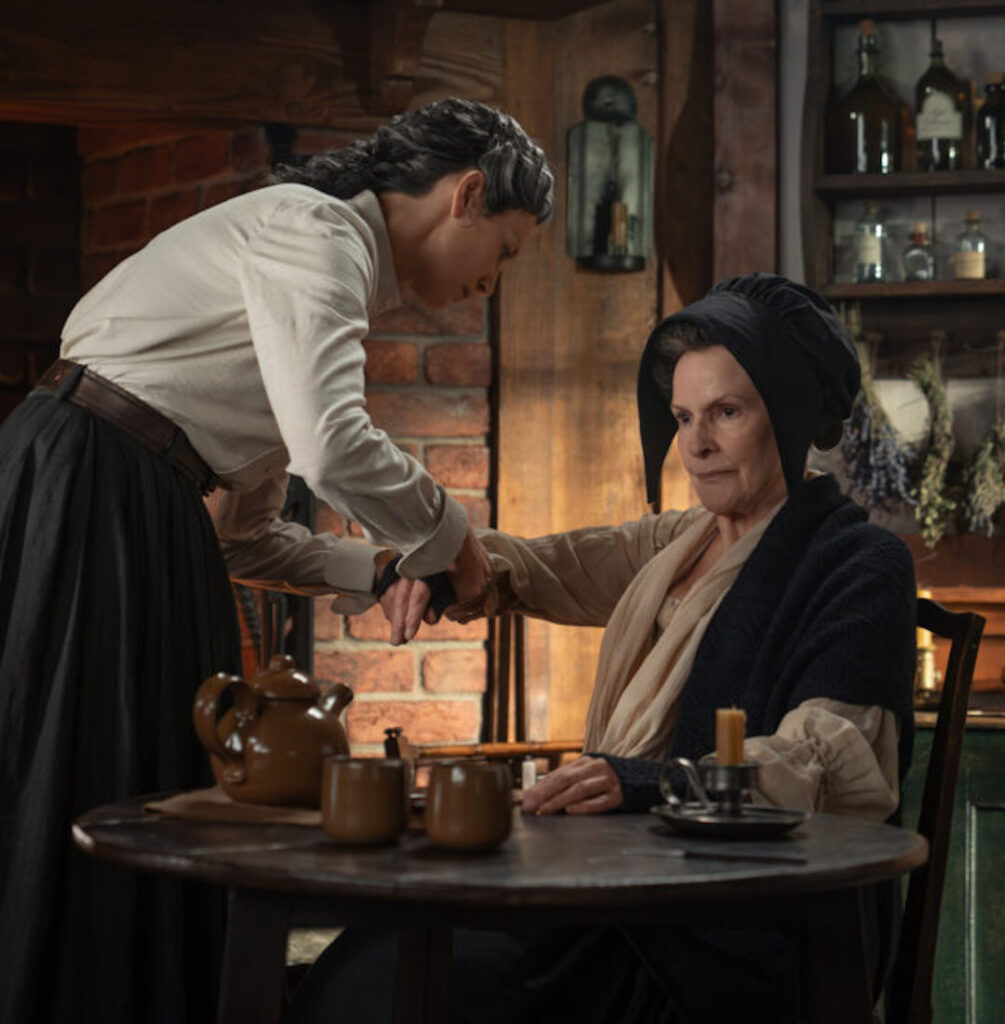
Claire expose Elspeth’s injured right shoulder.

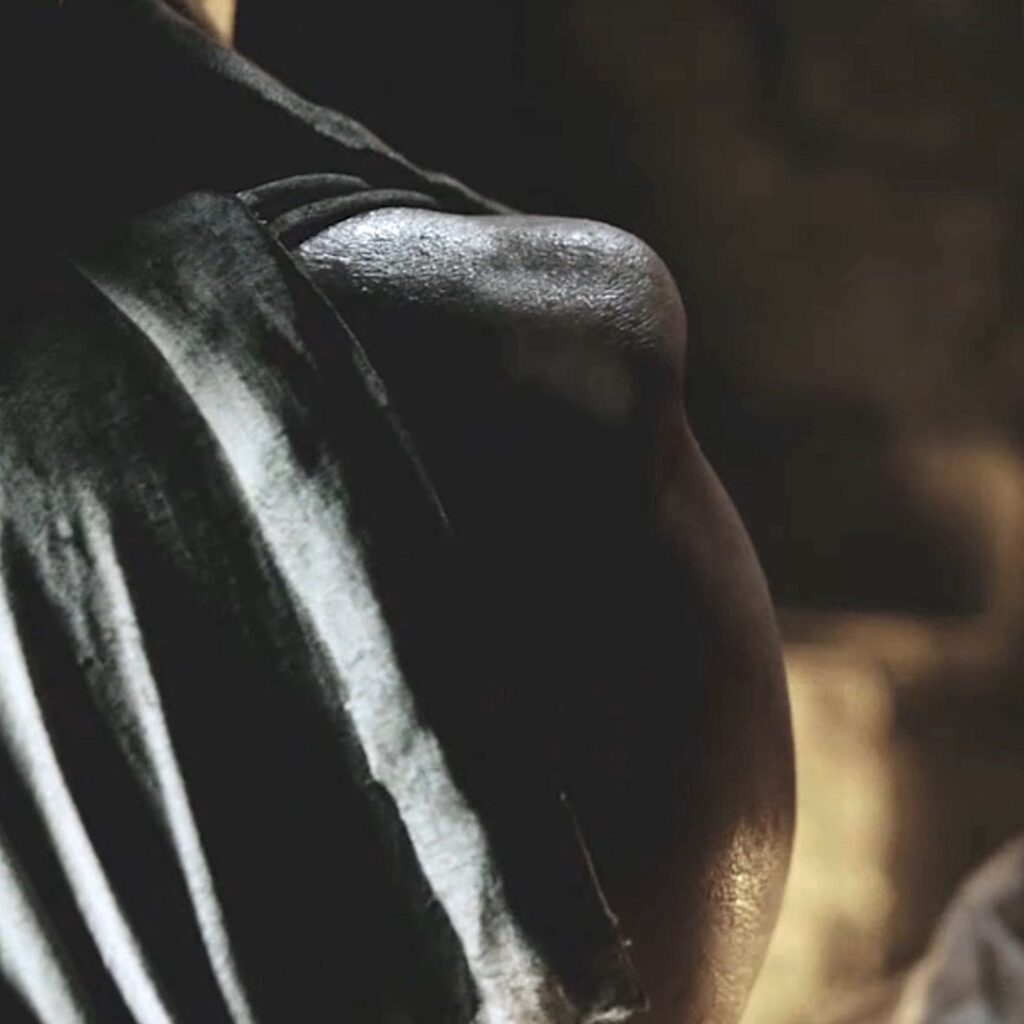
The nicely rounded contour of a normal shoulder is not what we see. Instead, Elspeth’s entire shoulder is angular and bony.

Claire tells Frances to give her some whisky and  to “hold her,”
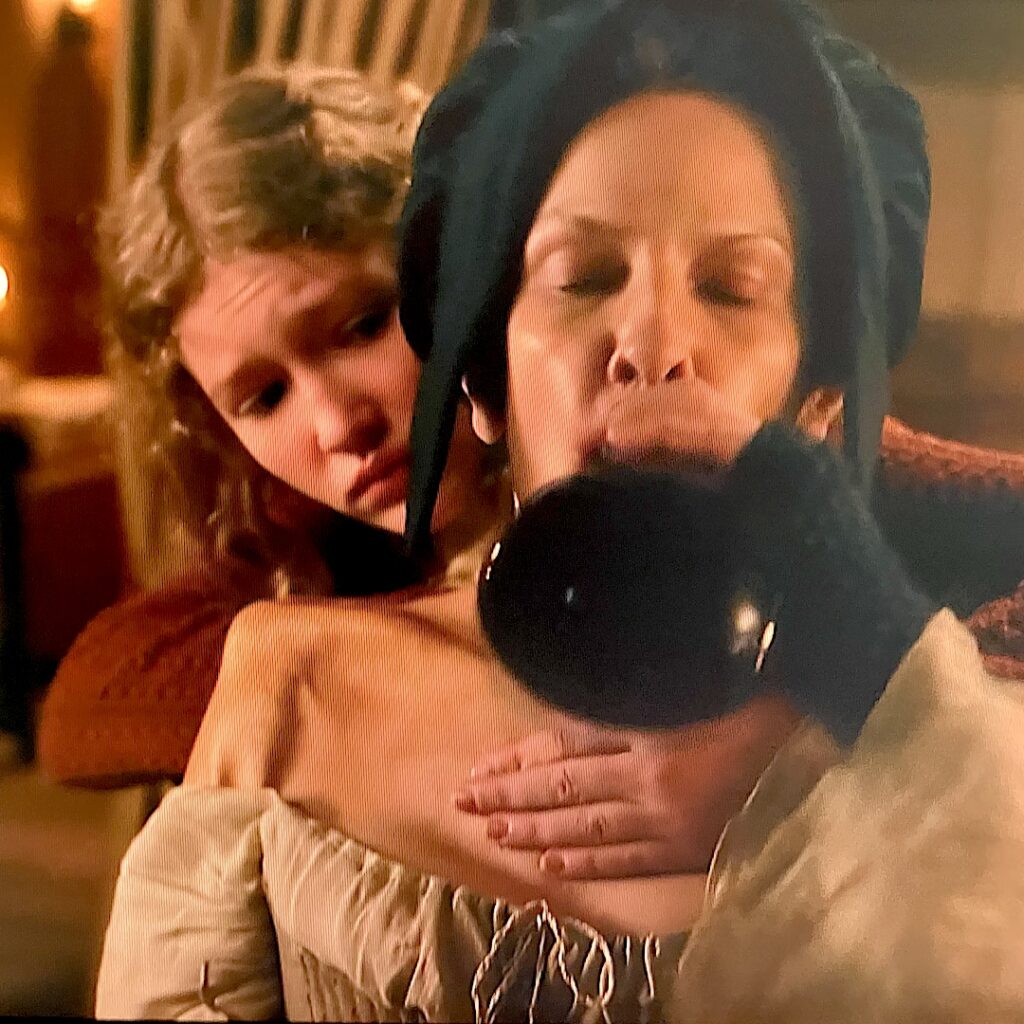
Claire warns Elspeth, it is gonna hurt. She grips the elbow and wrist and  performs a quick maneuver. (Psst… more about this below)
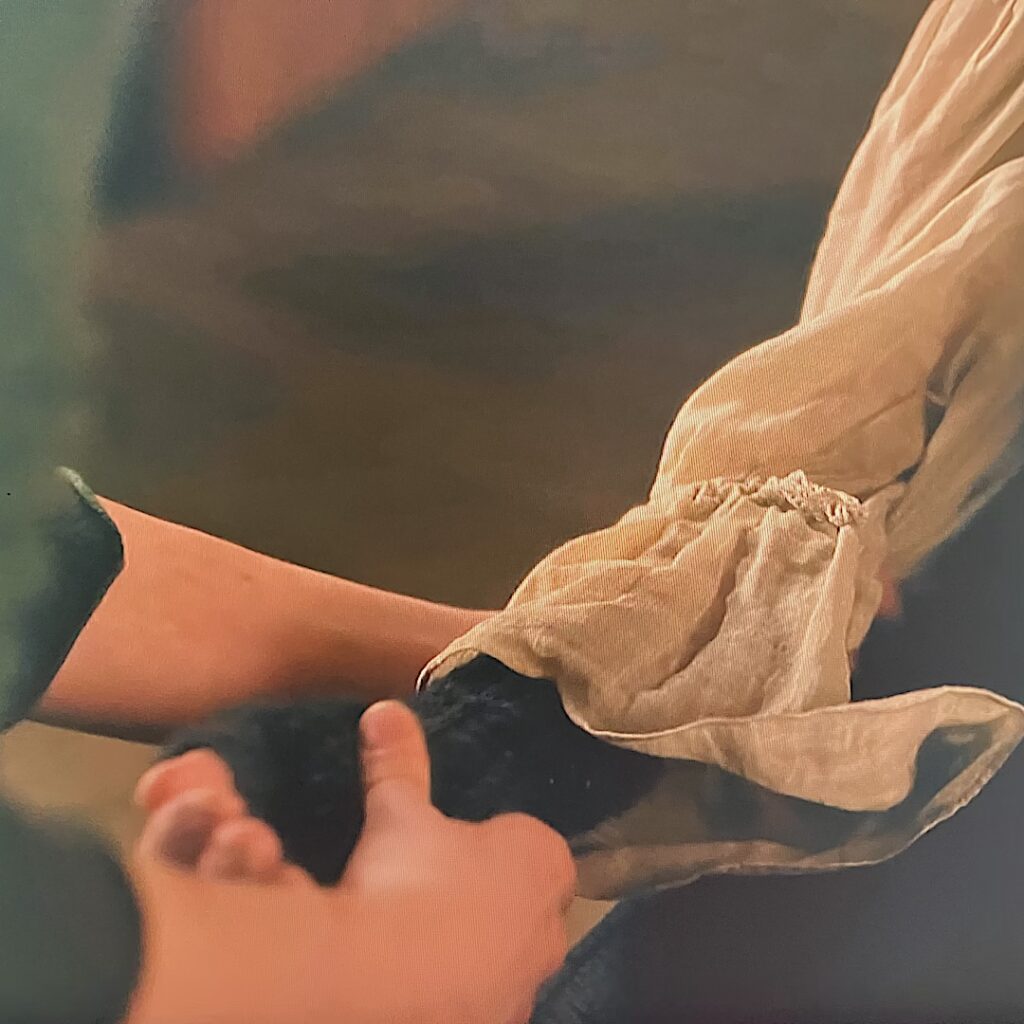
… and , voila! The shoulder pops back into joint.
“Grass-combing son of a buggering sod!” Elspeth exclaims!
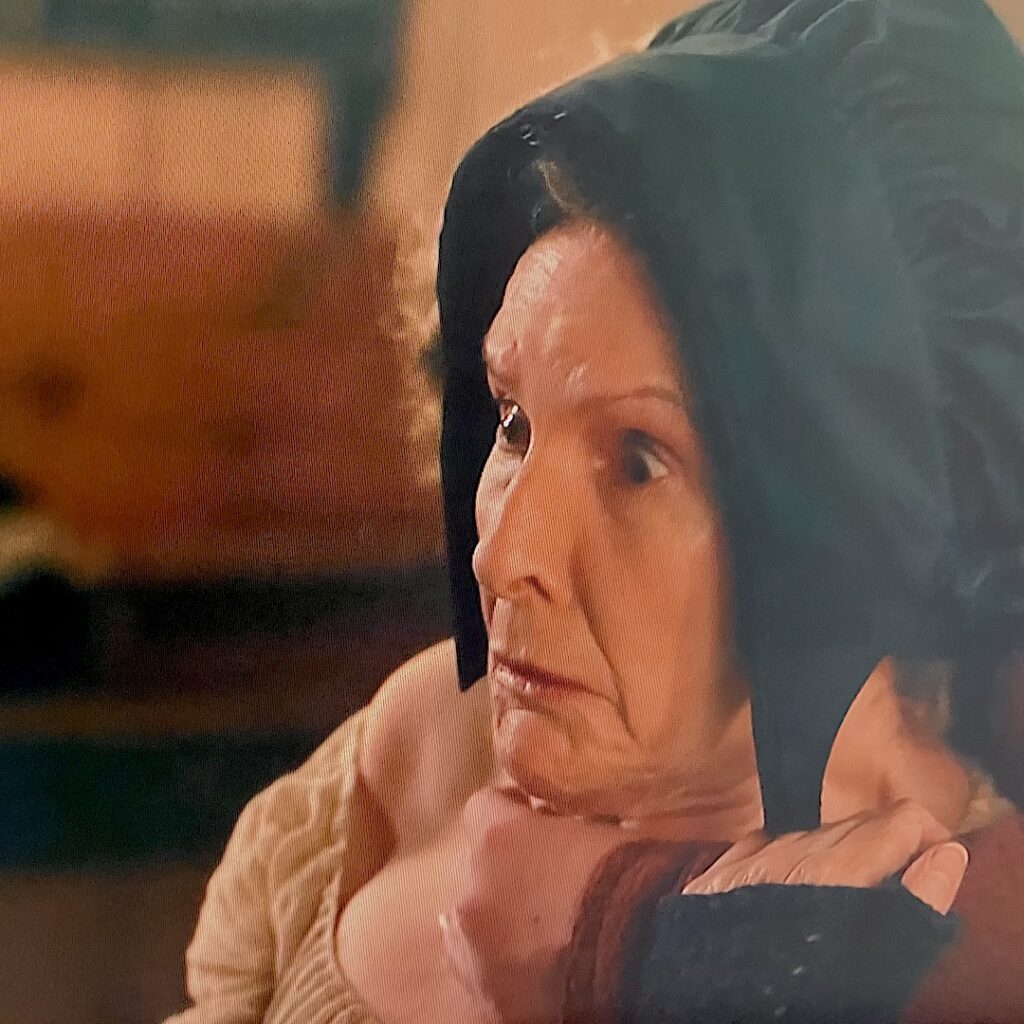
Here, an excerpt from “Bees,” Chap. 63, “The Third Floor:”

“It’s been a long time since I heard language like that,” Fanny said, her lips twitching.

If you have to do with sailors, young woman, you acquire both their virtues and their vices.” Elspeth’s face was still white and shone like polished bone under a layer of sweat, but her voice was steady and her breath was coming back. “And where, might I ask, did you her language like that?”

Fanny glanced at me, but I nodded and she said simply, I loved in a brothel for some time, ma’am.”

“Indeed.” Mrs. Cunningham drew her wrist out of my grasp and sat up, rather shaky, but bracing herself with her good hand on the table. “I suppose whores must also have both virtues and vices, then.”

“I don’t know about the virtues,” Fanny said dubiously. “Unless you count being able to milk a man in two minutes by the clock.”

I had taken a nip of the whisky myself, and choked on it.

“I think that would be classed as a skill rather than a virtue.” Mrs. Cunningham told Fanny. “Though a valuable one, I daresay.”

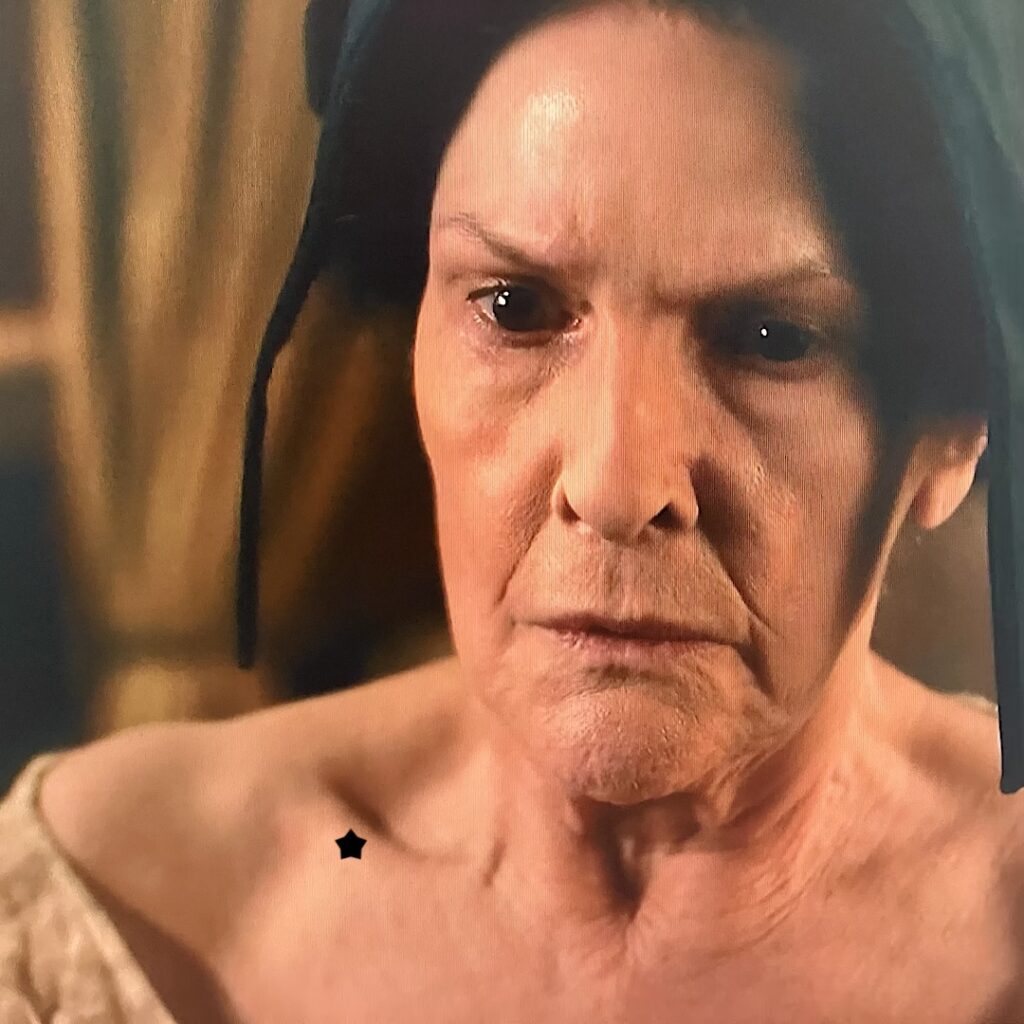
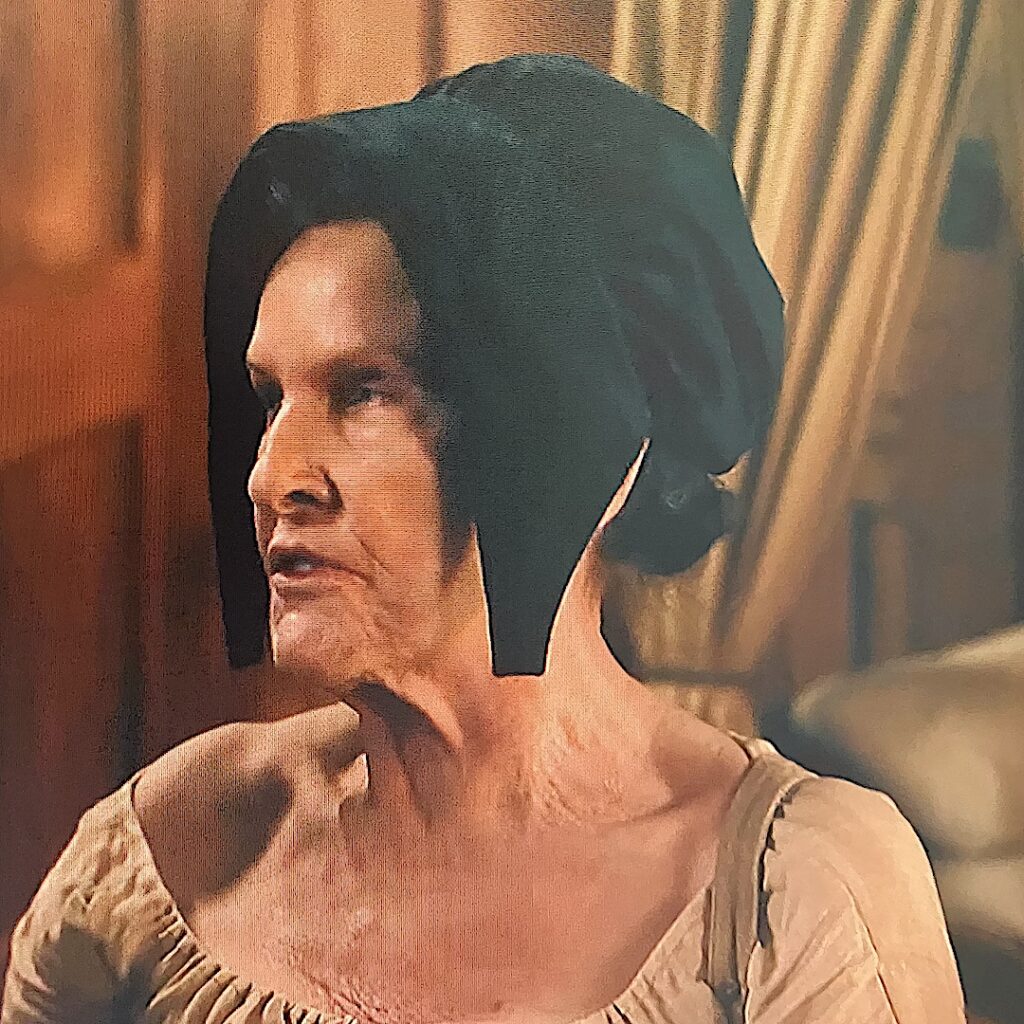
Mrs. Cunningham’s has a rather handsome shoulder, now. The rounded contour of the shoulder and function of her extremity is fully restored. Of course, it is going to be sore for a wee bit.

Note: I must say, the FX or prosthesis of the dislocation wasn’t too bad. My major criticism is the clavicle is too straight and long. It is a curved bone that stops short of the shoulder point as is evident in the next image (black star) post reduction. 
Now for the anatomy lesson. Yay! 🤓

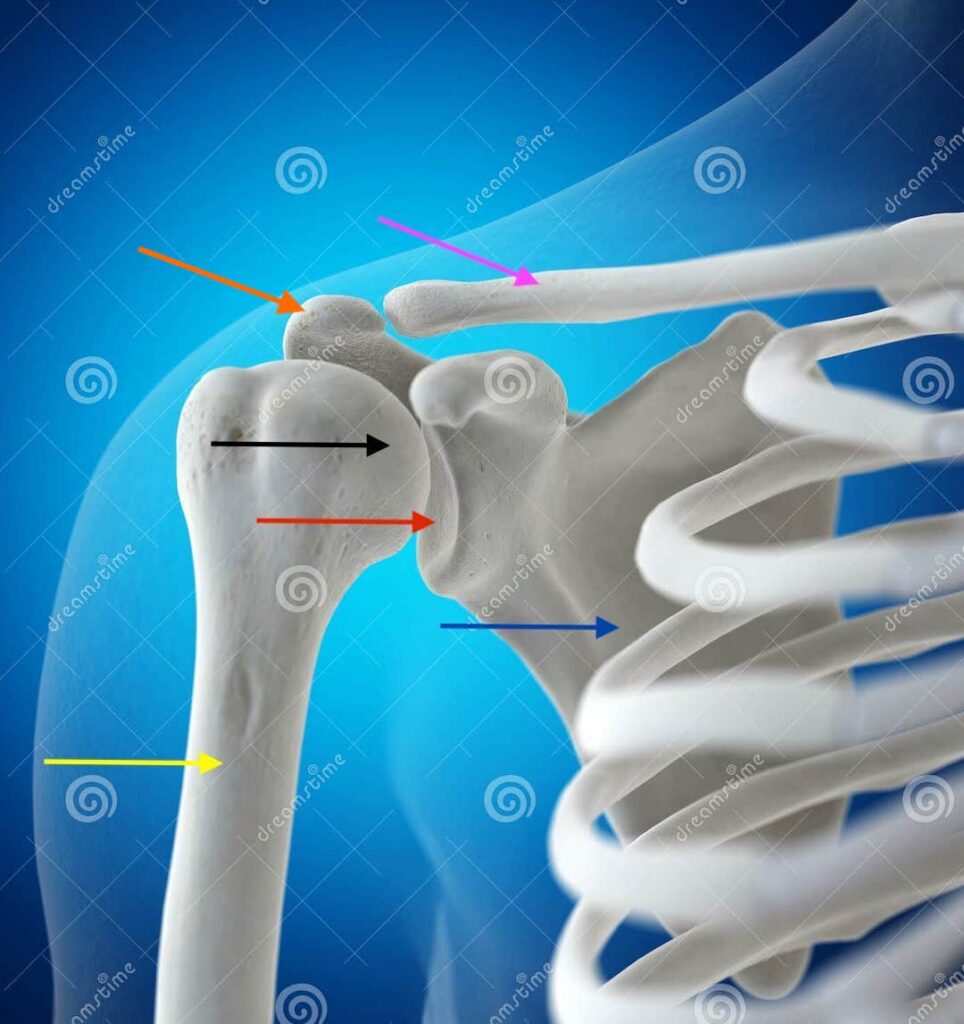
To understand what happened to Elspeth’s extremity and what Claire did to restore its normal anatomy and function, let us first examine the bones of the shoulder joint (next image).

Using arrows:

    • Pink: right clavicle (collar bone)
    • Blue: right scapula (shoulder blade)
    • Yellow: right humerus (upper arm bone)
    • Black: head of humerus
    • Red: glenoid cavity (socket for head of humerus)
    • Orange: acromion (bony tip of scapula = point of shoulder)

Normally, strong ligaments, a joint capsule, and muscle tendons snug the humeral head into the glenoid cavity. The proper anatomical name for this is the glenohumeral joint

Note: The glenoid cavity is shallow which allows greater mobility of the humeral head. Think of swinging your arm in a circle as in slow pitch. Unfortunately, this splendid anatomy sacrifices stability in favor of mobility.

An accident can force the humeral head out of the glenoid cavity resulting in a dislocated shoulder joint. Once this happens, it can happen again more easily because ligaments are stretched. 
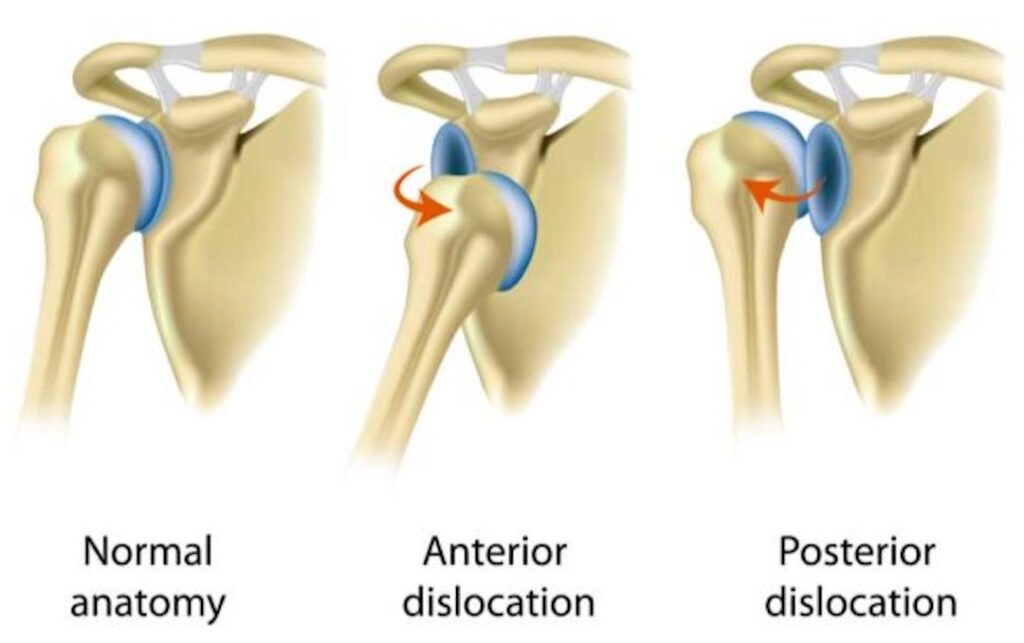
There are three types of shoulder dislocation. The next image shows two of the types plus a normal joint:

    • Left: normal shoulder joint
    • Middle: anterior dislocation (humeral head moves forward out of glenoid cavity)
    • Right: posterior dislocation (humeral head moves backward out of glenoid cavity)

A third type is an inferior dislocation wherein the humeral head moves downward out of the glenoid cavity. This type is uncommon and is not shown in the diagram.

An anterior dislocation is most common and is the type suffered by Elspeth.
And…. let us nay forget! Jamie also suffered an anterior shoulder dislocation in Outlander episode 101! 

Here, from Chapter 3, “The Man in the Wood.” of Outlander book:

I gasped, as did several of the men. The shoulder had been wounded; there was a deep ragged furrow across the top, and blood was running freely down the young man’s breast. But more shocking was the shoulder joint itself. A dreadful hump rose on that side, and the arm hung at an impossible angle.

In fact, I wrote a lesson about his injury waaay back in 2014 – Anatomy Lesson #2: Jamie and Claire Meet at a Joint”!
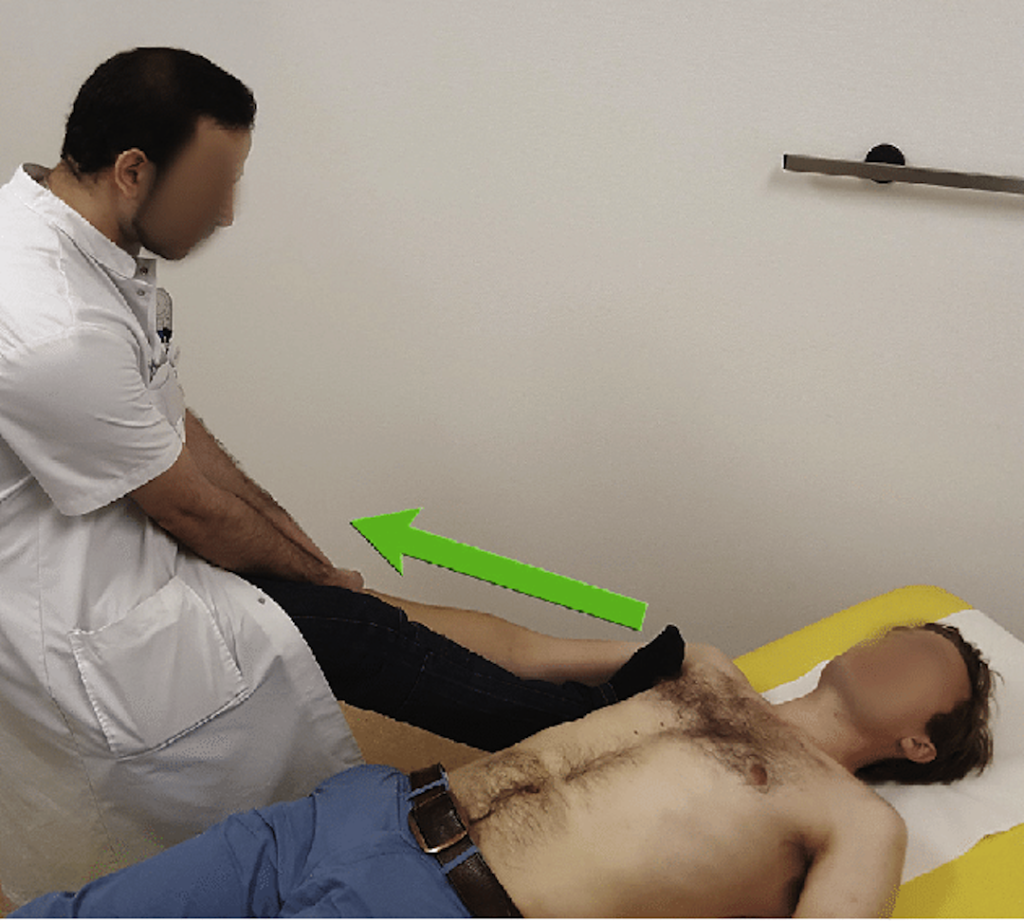
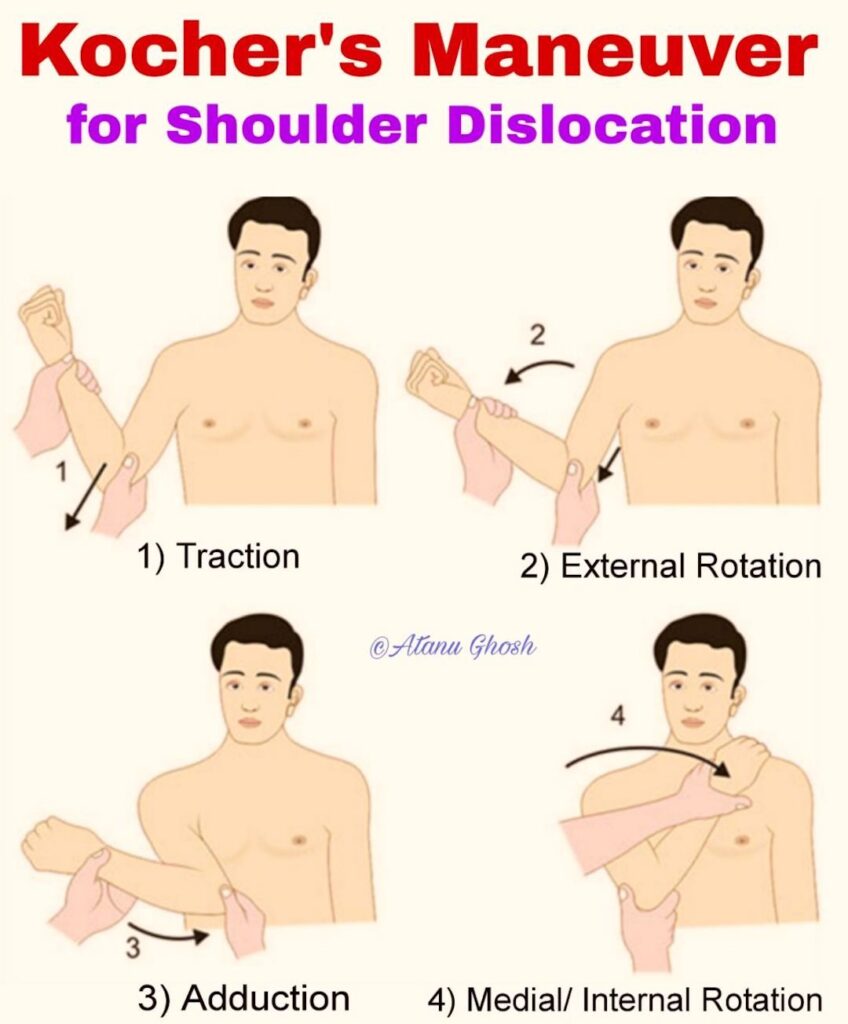
Claire reduces both Elspeth’s and Jamie’s anterior dislocations using  Kocher’s reduction method. (Reduction means to return the dislocated extremity to its normal anatomy. )

Kocher’s method is typically broken down into the following steps (next image). But, first, the practitioner bends the elbow (flexion) gripping it with one hand and holding the wrist with the other hand. Then:

    • Traction: The elbow is gently pulled toward the practitioner
    • External Rotation: Hand and forearm are turned away from the torso (often slowly)
    • Adduction: Elbow is moved against the torso
    • Internal Rotation: Hand and forearm are turned across the chest

Swiss physician and Nobel Prize winner, Dr. Emil Theodor Kocher developed this technique in about 1890 and to this day, it remains the most widely used technique for anterior shoulder joint reduction.

(Pssst….You can see short videos of the Kocher method on a patient by searching You tube) 👀 
The great physician, Hippocrates, also had a method for shoulder reduction which consisted of the practitioner placing his heel in the armpit of the patient and pulling on the affected extremity as shown in the next image! 😵‍💫

Many years ago, my family enjoyed a vacation featuring water slides. My husband took a slide before me. As I slid into the pool at the bottom, he climbed out of the water with his right arm dangling. He limped to an upright pole, lifted up the injured arm with his good hand, grasped the pole and leaned back. This maneuver immediately popped the dislocated humeral head back into place!

What happened? His arm hit the slide on the way down and he suffered an anterior dislocation. The dislocation reduced rather easily because he acted quickly before swelling set in. Once the joint tissues swell, reduction is more difficult and painful. (Psst….This was actually a variation of the Hippocrates method – hubby is a physician) 😷

So, in summary, Elspeth’s dislocation was resolved successfully by our brilliant healer but it did little to curb her sour disposition! 😜
I hope you enjoyed reading about Elspeth extremity.

Moral to the story…. be wary of wayward settles!

Until next time…

The deeply grateful,

Outlander Anatomist

Follow me on:

Photo credits:  Outlander Anatomy; Starz; Sony; www.as2.Ftcdn.net; ww.researchgate.net; www.thumbs.dreamstime.com
Mini Anatomy Lesson: Scoping Out A Scope!

Hallo the house!

Welcome all anatomy students. I haven’t posted a lesson for a while, but Outlander Season 8 has given me new material to plumb. 🤓

I thoroughly enjoyed episode 802,  “Prophecies.” This busy episode was made all the more riveting by the steady and creative hand of Caitriona Balfe in her directorial debut. The woman is soooo talented! 👸🏻

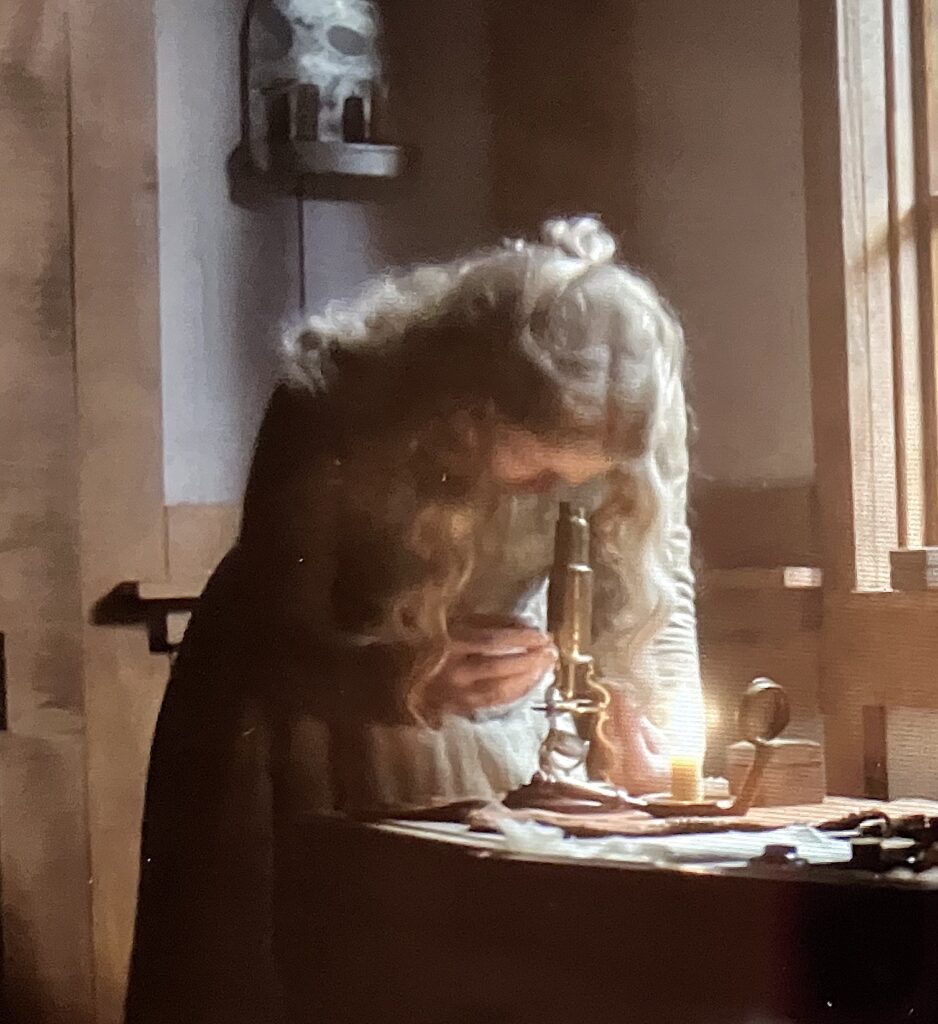
One scene captured my immediate attention: Frances and Claire in the surgery scoping out a scope! A microscope, that is. 🔬

This clever scene swiftly covers a broad range of anatomical topics:

    • Microscope
    • Paramecia
    • Stomach
    • Mucous membrane
    • Slipperiness

Let’s take a closer look at each of these topics because we want to learn as much anatomy as possible. 📚

Microscope: First up, let’s discuss that magnificent microscope through which Francis peers!

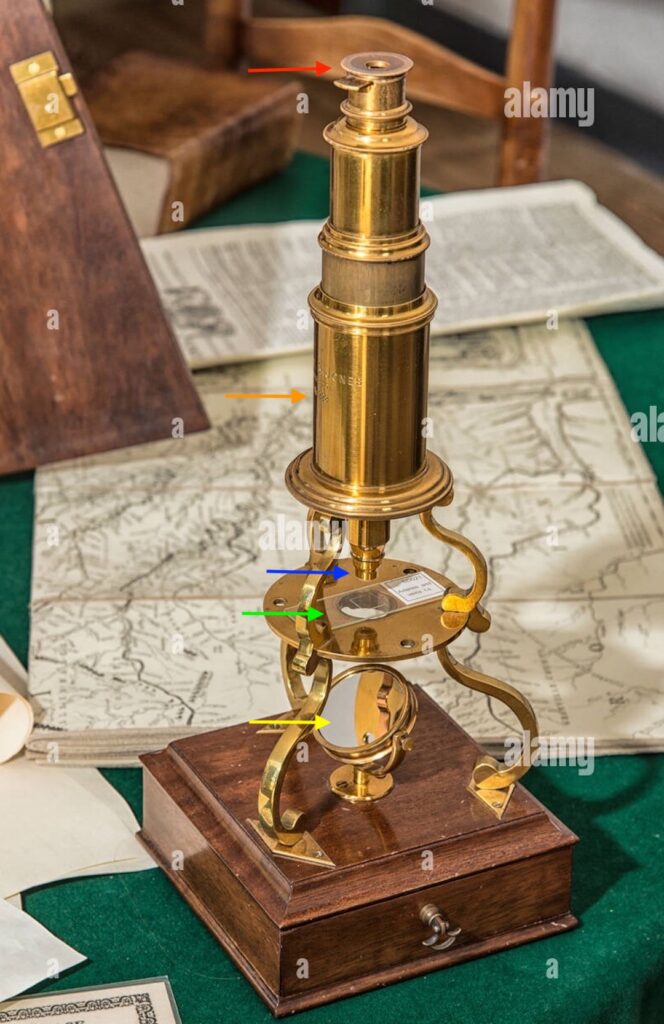
Claire’s scope is either an accurate model of an 18th century scope or it is truly from that era. This image below shows an 18th century microscope that is a very close cousin.

Scope out the arrows to learn more about the microscope! 🔎

    • Red Arrow: Indicates the eyepiece lens; it magnifies the object being examined.
    • Blue Arrow: Indicates the objective lens which adds more magnification of the object.
    • Orange Arrow: Marks the optical tube (barrel). This directs light from the objective lens to the eyepiece lens.
    • Green Arrow: A glass slide which holds a drop of fluid and the object(s) to be observed.
    • Yellow Arrow: A mirror reflects light upward through the object and into the microscope.  It can be adjusted to enhance the amount of light entering the scope.

Notice: Frances holds a knob at the right side of the optical tube. This is the focus control, used to move the optical tube up and down to accurately focus on the object. 👁 The coarse knob is not visible on the scope in the image, below.

Both are compound microscopes, so named because two lenses are used to magnify an object; this is much more powerful than a single lens.

How it works: Light strikes the mirror and is reflected upward through the  slide and the objective lens, into the optical tube and through the eyepiece lens. It then enters the eye creating an image on our retina of whatever is on the slide. That image is transferred as electrical signals to our visual cortex where we actually “see” the image.  We do not see the image in our eyeball. 😮

Please note the candle flame in front of Claire’s microscope (above image). This provides light to the mirror. However, because there is a huge window to Frances’ left, I would skip the flame and turn the mirror to collect more visible light from the outside window! 🪟

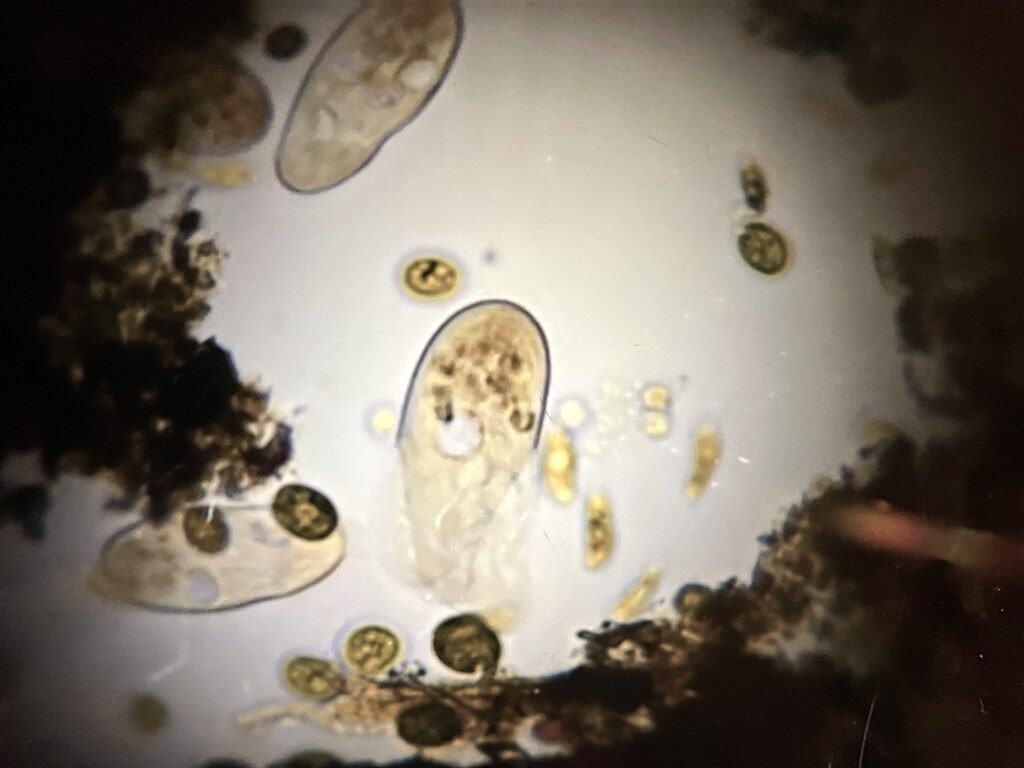
Paramecia: Frances spies slipper-shaped creatures wriggling in the drop of water. These beasties are paramecia (pl.). The dark fragments in the slide are likely organic matter from a stagnant pond where Claire undoubtedly collected her specimen.

Paramecia are unicellular (single cell) organisms belonging to the Protist group. Historically, paramecia were categorized as members of the kingdom of Animalia. This changed in 1969 when they were moved into a kingdom all their own, the Protists.  Recently, due to in depth DNA analysis, Paramecia now reside in the Eukaryota Domaine along with other protists, fungi, plants and animals. 

Paramecia live in fresh, brackish, and marine waters. Claire was correct, these creatures do not cause human disease so ingesting them does not make us ill, although plenty of other stuff in pond water can make us sick.

These wee creatures have been studied so widely in research labs and in biology classrooms they are sometimes called microscopic lab rats! This is why Claire uses them as a teaching tool for young Frances.

Stomach: Claire tells Frances that our stomach protects and supports us because it:

    • Is thick-walled ✅
    • Contains mucus ✅
    • Secretes acid ✅
    • Digests proteins ✅

Check, check, check and check! True on all counts. Claire is one smart lassie. 😇

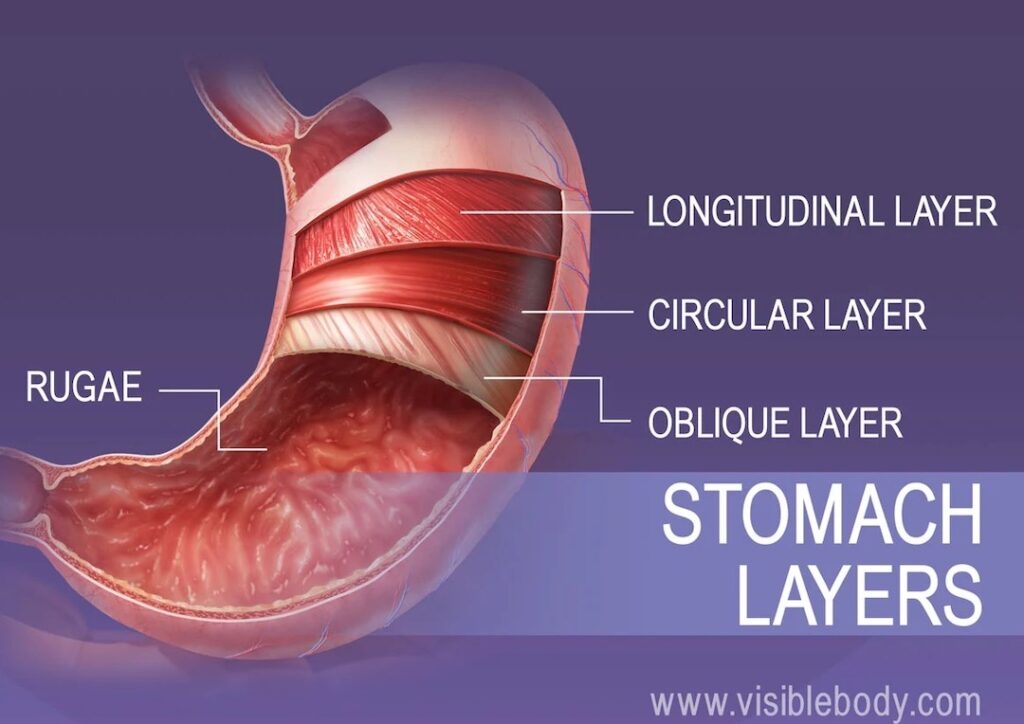
Most organs of the gastrointestinal tract have two layers of muscle in their walls but the stomach has three (longitudinal, circular & oblique), making it thick-walled, indeed!

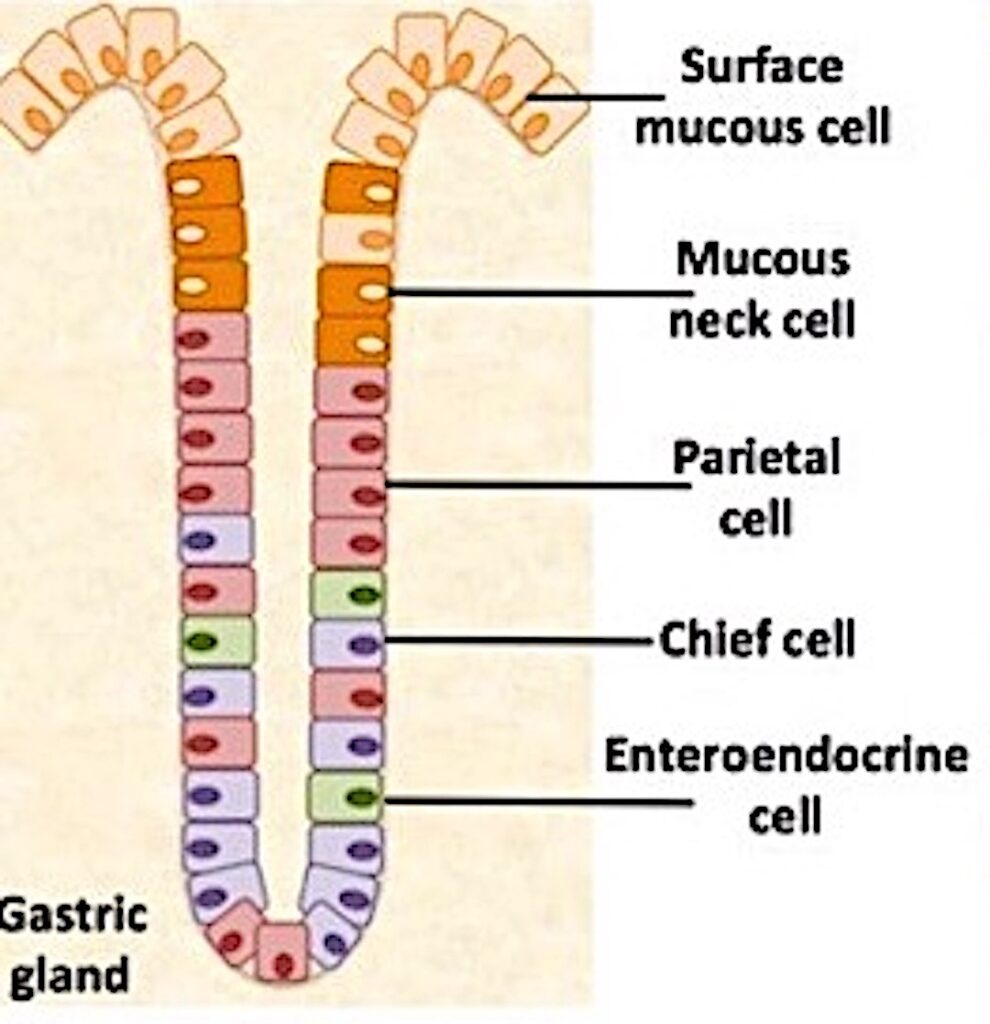
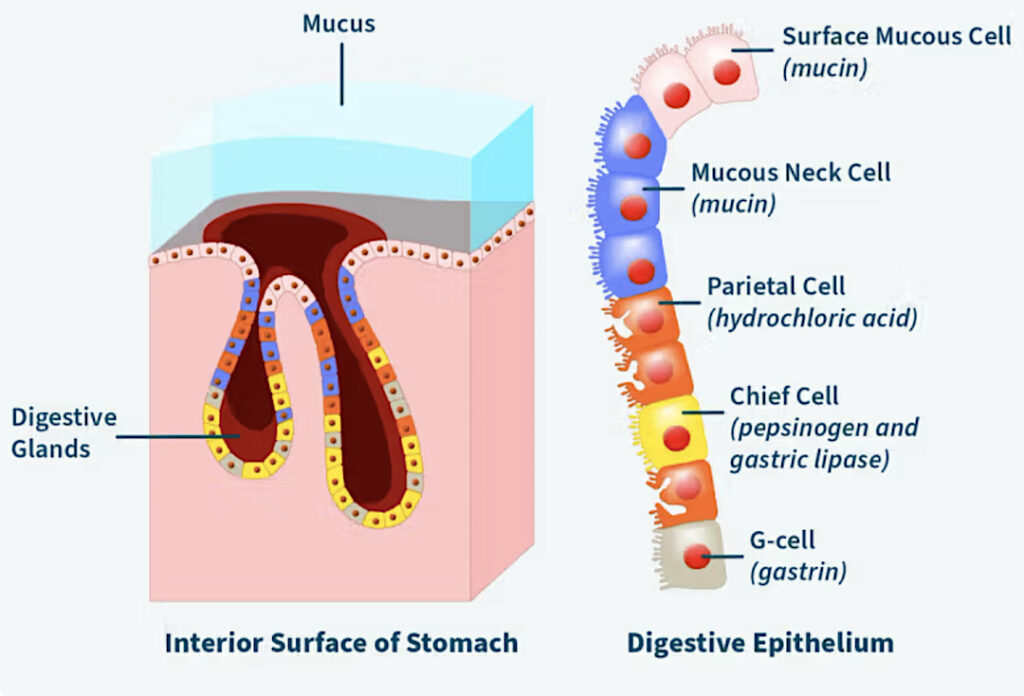
The stomach lining is indented with pits, all lined with countless cells. The next drawing depicts cells lining such a pit. Surface mucous cells and mucous neck cells produce mucus which flows onto the stomach surface.  

Notice a difference in spelling?  This is not an error. 😮 Mucus is the noun form and mucous is the adjective. 

Claire scores again: mucus does help protect the stomach surface from irritating substances. It also lubricates the surface, provides immune defense, and aids in absorption.

Another type of cell found deeper in the pits (next image), the parietal cell, (orange) produces hydrochloric acid (HCl). Our gastric HCl is a pH of  1-3, which is highly acidic.  Just for perspective, the muriatic acid used to clean swimming pools is also hydrochloric acid! 😳

Little wonder we sometimes take an antidote to soothe an acid stomach? 💊

Lastly, the chief cell (yellow) produces an enzyme which along with HCl, alters and breaks down ingested protein.

Mucous Membranes: 

Claire explains to Miss Frances that most of our organ are lined with mucous membranes. These  surfaces are kept moist constantly by various mechanisms, a major one being mucus. 

Mucous membranes are found throughout the gastrointestinal tract,  respiratory tract, urinary tract, and parts of the reproductive tract. Even our conjunctivas and middle ears contain a few mucus-secreting cells. Mucous membranes are so ubiquitous that the average body contains roughly 2,153 sq ft of mucous membrane, roughly the same square footage as many homes!

The name, however,  is unfortunate because not all mucous membranes produce mucus. Go figure! 🤔  An alternative name for mucous membrane is mucosa, a term I prefer because it doesn’t automatically imply that a given mucous membrane produces mucus.

Slipperiness: 

“Snot? My stomach is full of snot?” Frances glances down at her tummy.  “Well, yes,” says Claire.

Claire then explains how mucus helps our bodies be slippery when and where needed.  For example, to help during the birth of a baby.

Oops! This is where Claire’s lesson goes a wee bit off the rails. 😉

You see, the vagina (birth canal) has no mucous cells or mucous glands of any kind in its structure.  

Wait! What? My students were invariably astounded by this bit of science. But, this is why I love science and not opinion. Just because two bodily fluids are sticky does not mean are both  are mucus.

For example, the vaginal fluid during sexual arousal is a slippery, protein-rich transudate produced by engorged blood vessels; it is not mucus!  Ditto, the vaginal slipperiness during childbirth relies on this same vaginal transudate. 😎 

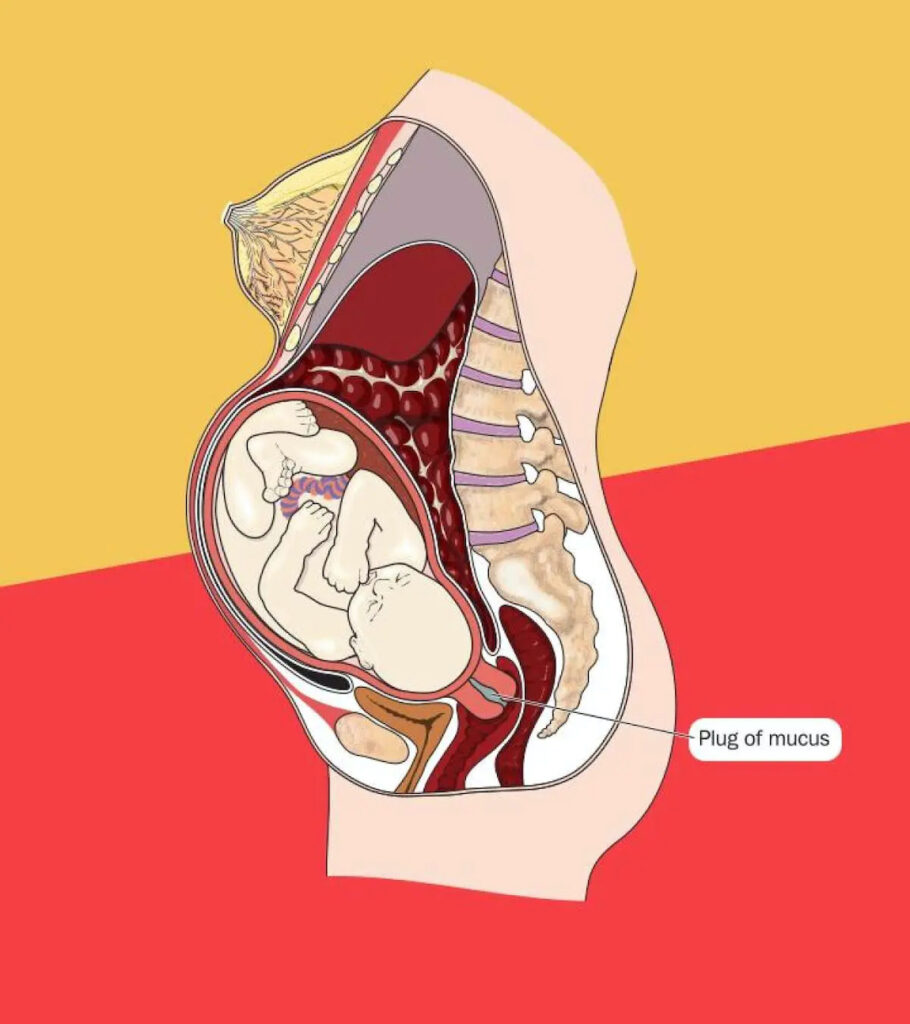
So, is there no mucus in the female reproductive tract? Well, there is some. The uterine lining produces some mucus. In fertile women, the uterine cervix produces a mucous plug (CMP) that stays intact until mid-cycle when it becomes more watery and penetrable by spermatozoa. During pregnancy, the CMP prevents vaginal bacterial from entering the uterine cavity.

There are also some mucous glands (Bartholin’s) near the external opening of the vagina that help moisten the area between the vulva. But, to reiterate, the vagina does not produce mucus.

Again, if no significant mucus is present, what causes vaginal slipperiness during childbirth?

This is how it works: Amniotic fluid, that surrounds the fetus,  is a complex mixture of maternal fluid, fetal urine, nutrients, antibodies, hormones and fetal cells.  Roughly one tablespoon of mucus from the CMP (0.03%) joins the amniotic fluid and together is normally discharged as childbirth approaches. But, the amniotic fluid often totally evacuates before labor even begins.

The slipperiness of the birth canal comes from those proteins of the vaginal transudate. And, yes, this slipperiness does help during childbirth (as well as during intercourse). 

Just so you know, the CMP in post-menopausal women disappears due to lack of hormonal support. However, HRT (hormone replacement therapy) can  restore the CMP in older women.

Other than this wee issue, Claire does a lovely job of explaining numerous biological details to a Frances, a wide-eyed and grateful student!  👀

Hang in there, Frances, I am sure there will be much more to learn from Dr. Claire. Jane would be proud!

I hope you enjoyed scoping out the scope, today. Watch for another lesson soon!

The deeply grateful,

Outlander Anatomist

Follow me on:

Photo credits:

Outlander Anatomy; Starz; Sony; www.Alamy.com; www.medline.gov; www.vmicro.iusm.iu.edu; www.momjunction.com; www.ourcancerstories.com; www.visiblebody.com;


Outlander BTS Discussion – Episode 716 “A Hundred Thousand Angels”

Hello to all!

Outlander BTS Discussion of the final episode of Season 7b, “A Hundred Thousand Angels.” 🥹

So sad to see it over. But, let’s have a good time, anyway. 🤩

This is the link!

https://outlanderbts.com/outlanderbts-the-discussion-episode-716-a-hundred-thousand-angels/

The deeply grateful,

Outlander Anatomist

Follow me on: